By Jan Cotten, REALTOR® · Sun City, Arizona

Navigating Transactional Turbulence

116 ways a real estate deal can go sideways, and how to see each one coming

Behind every closing, dozens of things can shake a transaction loose. Jan Cotten catalogued 116 of them, looked at each one from the buyer's side and the seller's side, and wrote down the lesson that keeps a deal steady. The whole book is here to read.

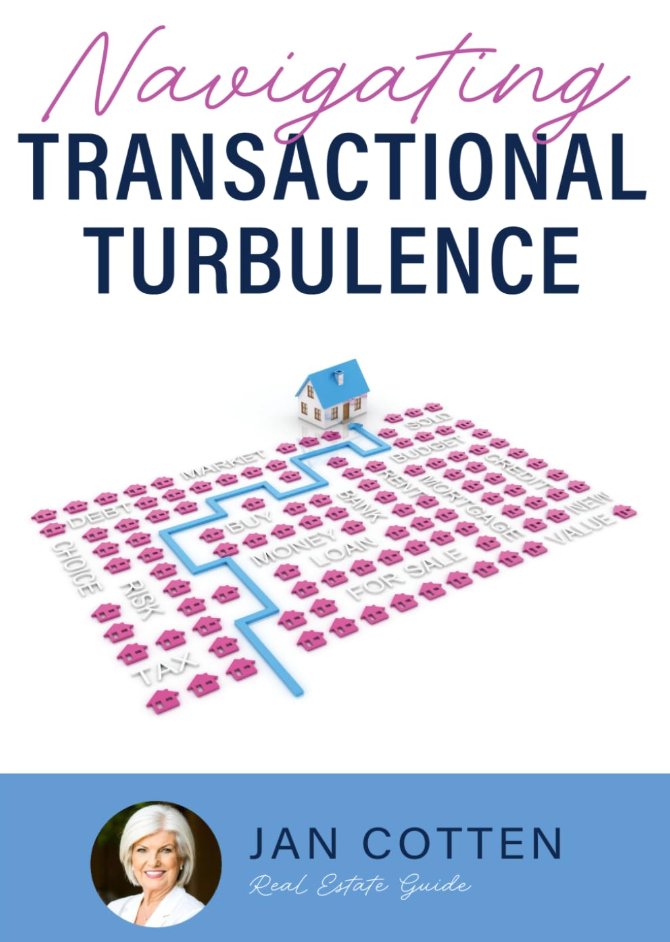
Navigating Transactional Turbulence by Jan Cotten, book cover
The Book

A behind-the-scenes look at what really happens in a transaction

Behind the scenes, there are 116 different kinds of turbulence that can shake a real estate transaction. Most of them are invisible to buyers and sellers, until suddenly they are not: a loan condition nobody mentioned, an appraisal that comes in short, a title problem from decades ago, a party who stops answering the phone.

Navigating Transactional Turbulence lays each one out plainly. Every entry shows what the moment feels like from the buyer's side, what it feels like from the seller's side, and the lesson that prevents it or limits the damage. The turbulences are grouped the way they tend to arrive: from buyers, from sellers, from the property itself, from lenders, from escrow and closing, and from the agents involved.

Whether you are selling a home you have loved for years or stepping into a new one, the book is meant to steady you. It shows what a prepared advisor watches for, so that the surprises in your transaction are fewer and smaller.

“Most agents do not have a plan for when things go wrong. I do, because I have seen what goes wrong.”
Jan Cotten, Navigating Transactional Turbulence
Chapters

All 116 turbulences, grouped by where they start

Each entry opens to the full text: the buyer's perspective, the seller's perspective and the lesson. Open one at a time.

Buyer Turbulence

From the Buyer's Perspective

The pressure to qualify can be overwhelming. You might think, 'Who's going to check?' The answer: the lender. Mortgage underwriters are trained to verify every detail, and when they uncover discrepancies, your loan could be denied outright. Even if the lie isn't discovered until after closing, the lender could call the loan due, leaving you facing foreclosure, or worse, legal trouble.

From the Seller's Perspective

It's frustrating. They've taken their home off the market and made plans, and now the deal is falling apart because the buyer wasn't honest. Their timeline is derailed, and trust is broken.

The Lesson

Telling the truth might feel harder at the moment, but it keeps the process smooth and protects your financial future. Lenders are there to help you find a home you can afford, not one built on shaky foundations of misrepresentation.

A lie on your loan application builds a house of cards, not a home.

From the Buyer's Perspective

Late payments often happen due to unexpected financial hiccups or simple forgetfulness. However, when the lender reviews your credit history, those missed payments can lower your credit score and raise concerns about your ability to handle a mortgage. This might lead to a higher interest rate or, in some cases, a denial of your loan.

From the Seller's Perspective

It's a frustrating revelation. They've likely accepted your offer in good faith, assuming your financing was solid. When late payments complicate or stall the transaction, their plans, and potentially their finances, are put on hold.

The Lesson

Timely bill payments are critical, especially in the months leading up to a home purchase. If you have recent late payments, be transparent with your lender upfront and work on strategies to improve your creditworthiness. Buying a home is about trust, and staying current on payments builds confidence with lenders, sellers, and everyone involved.

Yesterday's late payment is tomorrow's loan denial.

From the Buyer's Perspective

Taking on new debt might have seemed harmless, maybe a new car loan, a maxed-out credit card, or a personal loan to cover moving costs. But lenders reassess your debt-to-income ratio before finalizing a loan, and that unexpected debt could tip the scales. You might lose your loan approval or face a higher interest rate.

From the Seller's Perspective

It's a frustrating and potentially deal-breaking scenario. They've likely made plans based on your ability to close, and now their timeline is in jeopardy. Delays or the prospect of finding a new buyer can add unnecessary stress to their experience.

The Lesson

Don't take on new debt after applying for a mortgage, none, not even a small store credit card. Be transparent with your lender about all existing obligations upfront. Financial stability is critical during the loan process, and avoiding additional debt ensures a smoother path to homeownership.

New debt during escrow turns your dream home into a mirage.

From the Buyer's Perspective

The stress is immediate and overwhelming. Beyond the emotional toll of unemployment, there's the fear of losing the dream home you've worked so hard to secure. Without steady income, lenders are unlikely to move forward, and scrambling for solutions, like finding a co-signer or new employment, can feel like an uphill battle.

From the Seller's Perspective

An unexpected and frustrating twist. They've taken their home off the market, planned their next steps, and trusted the buyer's ability to close. Now they're left waiting, or worse, searching for a new buyer, while time and money slip away.

The Lesson

Life happens, but swift action, honesty, and collaboration can sometimes keep the deal afloat, even in turbulent times.

A job loss during escrow isn't just about income, it's about dreams put on hold.

From the Buyer's Perspective

The loss of the co-borrower's income can throw off the debt-to-income ratio or reduce the amount you're qualified to borrow. You're left wondering if you can save the deal or if your dream home will slip away.

From the Seller's Perspective

The delay is frustrating and destabilizing. They've likely made plans based on your commitment to close, and now they're forced to deal with uncertainty.

The Lesson

Unexpected job loss is stressful, but quick communication with your lender and agent is key. By exploring creative solutions and staying proactive, it may still be possible to keep the transaction on course.

Two incomes make the dream; one income breaks the team.

From the Buyer's Perspective

This revelation feels like a financial gut punch. Maybe it was an honest mistake, forgetting to account for variable income, bonuses, or overtime, or perhaps you overestimated. Either way, the lender recalculates your loan qualifications based on verified income, which may reduce your purchasing power or disqualify you altogether.

From the Seller's Perspective

This is a frustrating disruption. They've taken their home off the market and committed to the sale, only to learn that the buyer might not have the financial capacity to close. Time is wasted, and the deal hangs by a thread.

The Lesson

Accuracy is critical on loan applications. Double-check all income details before submitting to avoid unpleasant surprises. If discrepancies arise, work closely with your lender and agent to explore options for saving the deal. Honest communication and quick action are key to navigating this turbulence.

Stated income is a story; verified income is your key.

From the Buyer's Perspective

You've worked hard to earn that overtime, and you assumed it would count. Unfortunately, lenders often require a consistent two-year history of overtime income to be included in the calculations. Without it, your debt-to-income ratio may no longer meet the loan requirements, shrinking your buying power.

From the Seller's Perspective

It's an unwelcome surprise. They were counting on the buyer's ability to close the deal, and now their home sale is at risk. Delays and uncertainty disrupt their timeline and create unnecessary stress.

The Lesson

If you're relying on overtime income for loan qualification, verify its eligibility with your lender early in the process. Providing complete documentation and preparing contingency plans can help you navigate this challenge and keep your home-buying journey on track.

Extra hours don't always equal extra house, verify before you rely.

From the Buyer's Perspective

You might have thought, 'I'll need this for the new house anyway.' However, adding new debt changes your debt-to-income ratio and can lower your credit score. Lenders reassess your financial standing before closing, and that shiny new purchase might lead to higher interest rates, or outright loan denial.

From the Seller's Perspective

This last-minute surprise creates unnecessary stress. They've already packed, made plans, and taken their home off the market, only to learn the deal might fall through.

The Lesson

Avoid major financial changes during the loan process. Keep credit card balances low, avoid new loans, and check with your lender before making any big purchases. Stability is key to ensuring a smooth closing and securing your new home.

That new car smell could make your dream home vanish.

From the Buyer's Perspective

Such events often mean reduced income, increased expenses, or complex legal entanglements that impact financial stability. This can throw off debt-to-income ratios, disrupt loan approvals, and jeopardize the ability to close on time, or at all. The emotional toll adds to the financial stress, leaving buyers scrambling for solutions.

From the Seller's Perspective

This creates uncertainty and frustration. They've taken their home off the market, and a delay, or worse, a failed deal, can disrupt their plans, especially if they're relying on the sale for their next purchase.

The Lesson

While setbacks are difficult, early communication and a willingness to adapt can often keep the transaction on track. Life happens, but with the right team, your home-buying dreams don't have to be derailed.

Life doesn't pause for escrow, plan for the unplanned.

From the Buyer's Perspective

Hesitation might stem from uncertainty about the decision, fear of commitment, or difficulty balancing other priorities. Instead of making timely decisions, the buyer delays signing paperwork, scheduling appointments, or following through on essential steps. This lack of urgency often prolongs the process and can result in missed opportunities.

From the Seller's Perspective

It's exasperating. Sellers rely on buyers to stay on track with agreed-upon timelines. When motivation wanes, deadlines are missed, and sellers may start doubting whether the buyer is serious about completing the purchase.

The Lesson

Buying a home requires energy and decisiveness. Stay motivated, or risk letting the perfect home slip away. A proactive approach benefits everyone involved.

Hesitation buys someone else's dream home.

From the Buyer's Perspective

It's a stressful and frustrating situation. You've budgeted carefully, counting on the gift to meet lender requirements. Without it, your debt-to-income ratio might no longer qualify, or you may struggle to cover upfront costs. The pressure to find alternative funds quickly is immense.

From the Seller's Perspective

This creates uncertainty and delays. They've trusted that the buyer is financially prepared, and now the deal may be at risk. If the buyer can't resolve the issue quickly, the seller might need to consider backup offers or relist the property.

The Lesson

If your home purchase relies on a gift, confirm the donor's commitment early and in writing. A properly documented gift letter and clear communication can help avoid last-minute surprises that put your dream home at risk.

A gift with strings attached becomes a noose at closing.

From the Buyer's Perspective

The inability to produce this document creates stress and delays. Without it, the lender cannot verify your financial obligations or accurately assess your debt-to-income ratio. This might result in a stalled loan application or, worse, a denial.

From the Seller's Perspective

Missing paperwork can also create problems for sellers. Divorce decrees may be needed to prove ownership or resolve title issues if the property was part of a previous marital settlement. Without it, the seller might struggle to transfer a clear title to the buyer.

The Lesson

Keep critical documents like divorce decrees easily accessible during the home-buying or selling process. Planning ahead prevents unnecessary stress and ensures smoother transactions for all involved.

Past papers predict future keys, keep your decree close.

From the Buyer's Perspective

The lender requires these documents to assess financial eligibility. Missing paperwork makes it impossible for the lender to confirm your creditworthiness, delaying or even denying loan approval. This can be particularly frustrating if you've worked hard to rebuild your finances after bankruptcy.

From the Seller's Perspective

If the seller is involved, missing bankruptcy documentation might create title issues. Liens or debts discharged in bankruptcy may still appear unresolved without proof of the discharge, preventing the property from being sold with a clear title.

The Lesson

Keep bankruptcy records in an accessible, secure place for future reference. If they're already misplaced, act quickly to retrieve replacements. Proactively providing these documents ensures smoother transactions and avoids unnecessary delays.

Your fresh start needs proof to finish strong.

From the Buyer's Perspective

Missing tax returns often mean delays or complications in loan approval. Without them, the lender cannot verify income, particularly for self-employed borrowers or those relying on variable income sources. This can lead to loan denial or a scramble to provide alternative documentation.

From the Seller's Perspective

Missing tax returns can also cause issues, such as verifying capital gains obligations or resolving financial disclosures. This can delay the closing or even make the buyer hesitant about proceeding.

The Lesson

Always keep tax returns on hand. If they're misplaced, act quickly to retrieve them, as delays can put your dream home, and the entire transaction, at risk.

Lost tax returns are found money walking away.

From the Buyer's Perspective

Missing bank statements can jeopardize loan approval. Without them, the lender can't verify your savings or ensure that funds haven't been borrowed, a key part of ensuring your debt-to-income ratio meets requirements. This may lead to delays, additional scrutiny, or even denial of your mortgage application.

From the Seller's Perspective

Missing documents can cause uncertainty and frustration. Sellers rely on buyers to have their financial paperwork in order to move the transaction forward. Delays could make sellers question the buyer's reliability and potentially put the deal at risk.

The Lesson

Always have at least two months of recent bank statements ready before applying for a mortgage. Being prepared can prevent delays and ensure a smoother transaction for everyone.

Your paper trail tells your money's tale, guard it well.

From the Buyer's Perspective

Challenges in verification of rent arise when someone rents from a non-responsive landlord, has incomplete records, or makes cash payments without proper documentation. Without this verification, the lender may hesitate to approve your loan, viewing the absence of proof as a potential red flag about your reliability as a borrower.

From the Seller's Perspective

Delays in rent verification add unnecessary uncertainty to the transaction. They may worry about whether the buyer's financial readiness and question whether the deal will proceed on schedule, or at all.

The Lesson

Keep clear records of your rental payments and maintain open communication with your landlord to avoid complications. Being proactive in obtaining verification can reduce stress and help keep your home-buying journey on track.

Your rental history writes your homeowner's future.

From the Buyer's Perspective

A rate increase can feel devastating. Higher rates mean higher monthly payments, which can push your debt-to-income ratio above the lender's limits. You may face the prospect of a loan denial or need to reconsider your budget and search for a more affordable home.

From the Seller's Perspective

A buyer's disqualification due to rising rates creates uncertainty and delays. The home may need to be relisted, potentially at a less favorable time, costing the seller both time and money.

The Lesson

Rising interest rates can disrupt even the best-laid plans. Locking in your rate early and maintaining financial flexibility is essential to keeping your home-buying journey on track.

Yesterday's budget meets today's rates, only math survives.

From the Buyer's Perspective

This can feel like a bait-and-switch. What was once an affordable loan now comes with higher monthly payments and upfront costs. This unexpected financial burden might force you to reconsider your options, negotiate with the lender, or even withdraw from the deal if it's no longer feasible.

From the Seller's Perspective

Loan program changes introduce frustrating delays and uncertainty. They've likely made plans based on the sale proceeding smoothly, and now they're left wondering if the buyer can still close.

The Lesson

Loan program changes can be unpredictable, but proactive communication, financial preparation, and flexibility can help you weather the storm and keep the deal moving forward.

The loan you qualified for isn't always the loan you close with.

From the Buyer's Perspective

It might feel like an honest mistake, after all, child support isn't a traditional loan. However, lenders view it as a recurring financial obligation that affects your debt-to-income ratio. When child support payments are discovered during underwriting, it can lead to recalculations, higher scrutiny, and potentially a denial of your mortgage application.

From the Seller's Perspective

This creates delays and uncertainty. They've trusted that the buyer is financially prepared to close, and now they face the risk of the deal falling apart or the timeline being extended.

The Lesson

Honesty is key in the mortgage process. Disclosing all obligations upfront prevents surprises, builds trust, and helps keep the transaction smooth.

Hidden obligations surface when keys are closest.

From the Buyer's Perspective

A recent bankruptcy can feel like a hurdle that's impossible to overcome. While some loan programs (like FHA or VA loans) have shorter waiting periods after bankruptcy, conventional loans often require a two- to four-year gap. If you're within this window, qualifying for a mortgage may involve higher interest rates, a larger down payment, or stricter conditions.

From the Seller's Perspective

This introduces delays and uncertainty. If the buyer's loan approval hinges on resolving bankruptcy-related issues, the transaction may be postponed or even canceled, forcing the seller to relist the property.

The Lesson

A recent bankruptcy doesn't have to end your homebuying journey, but preparation, transparency, and patience are essential to navigating the process successfully.

Time heals credit wounds, but only patience brings keys.

From the Buyer's Perspective

The leap to a significantly higher payment can feel overwhelming. Even if you initially qualify, the lender may scrutinize your ability to handle the jump in expenses. Without careful budgeting, you risk falling behind on payments, which could impact your credit and overall financial stability.

From the Seller's Perspective

This scenario creates uncertainty. If the lender grows concerned about the borrower's ability to manage the higher payment, the loan approval might stall or fall through altogether, forcing the seller to relist their home.

The Lesson

Doubling your housing cost is a big step. Proper preparation, honest budgeting, and open communication with your lender can ensure you're financially ready to take it on without jeopardizing your home-buying goals.

Dream payments and real payments rarely share the same math.

From the Buyer's Perspective

A short or inconsistent work history may feel like a significant barrier. Whether it's due to a recent career change, time off for education or family, or self-employment, lenders may view the lack of a two-year track record as a risk. This can lead to delays, higher scrutiny, or even loan denial.

From the Seller's Perspective

This issue creates uncertainty and potential delays. If the buyer's financing is in question, the transaction may stall, leaving the seller wondering if they need to relist the property.

The Lesson

If you lack a two-year work history, transparency and preparation are key. Work with your lender to explore options that can help demonstrate your financial stability and keep your home-buying journey on track.

Two years of paystubs write your home's story.

From the Buyer's Perspective

You may work for a legitimate employer who provides handwritten pay stubs, but lenders require verifiable proof of income. Without official documentation, such as computer-generated pay stubs or direct deposit records, your application may be delayed or denied. Scrambling to provide additional documentation can add stress to an already intense process.

From the Seller's Perspective

When the lender questions the borrower's income verification, the transaction timeline may stall. This creates uncertainty for the seller, who might need to consider backup offers or adjust their plans in case the deal falls through.

The Lesson

Handwritten pay stubs aren't enough to satisfy most lenders. Proactively provide alternative documentation to ensure your income verification process goes smoothly and keeps your home-buying journey on track.

If your income's real, let the computer tell the tale.

From the Buyer's Perspective

A new job may represent career growth or a necessary move, but the timing can complicate your home-buying process. Lenders may hesitate to approve your loan until the probation period ends, as they require proof of stable income. This could lead to delays or even a denial, especially if the job change alters your financial profile significantly.

From the Seller's Perspective

When a buyer's financing stalls due to a job change, sellers face frustration and uncertainty. They may need to extend deadlines or consider relisting the property, creating disruptions in their plans.

The Lesson

Timing is crucial in the home-buying process. If a job change is unavoidable, communicate with your lender and agent early to explore options and minimize disruptions. Transparency and preparation can help keep your transaction on course.

New job excitement meets lender anxiety at the closing table.

From the Buyer's Perspective

A shift to commission-based income may signal career growth, but for lenders, it raises concerns about reliability. Most require at least two years of consistent commission income to consider it as qualifying income. Without this history, your loan may be denied, or the approval process could be delayed while alternative solutions are explored.

From the Seller's Perspective

When a buyer's income changes mid-transaction, the seller faces frustration and uncertainty. The deal may stall, forcing them to extend timelines or consider relisting the property if financing falls through.

The Lesson

Major financial changes during escrow can derail the homebuying process. If possible, delay career transitions until after closing, or be prepared to navigate extra challenges with your lender and agent. Transparency and proactive planning are essential.

Steady income builds homes; commission hopes build heartbreak.

From the Buyer's Perspective

If a co-borrower passes away, the surviving borrower must reassess their ability to proceed. Lenders will re-evaluate the financial stability of the remaining borrower to determine whether they can still qualify for the loan on their own. This can result in delays, restructuring the loan, or even cancellation if the borrower cannot meet requirements.

From the Seller's Perspective

If the seller passes away, the transaction becomes more complex. The property may enter probate, requiring legal processes to determine who has the authority to complete the sale. This can delay or derail the transaction entirely, depending on the estate's circumstances.

The Lesson

Death introduces unavoidable complexities in a transaction. Open communication, legal guidance, and patience are essential to resolving these challenges respectfully and effectively.

Life's final chapter can close escrow's door.

From the Buyer's Perspective

The desire for a dream home often collides with the reality of market limitations. It's easy to fixate on features that stretch beyond your budget, like extra square footage, a larger yard, or luxury finishes. The longer the search drags on, the more disheartening the process becomes, as ideal properties seem just out of reach.

From the Seller's Perspective

An overly picky buyer can be a source of frustration. They may experience repeated showings, excessive feedback, or rejections for reasons outside their control, leading them to question the buyer's seriousness.

The Lesson

Home buying is about compromise. Keeping an open mind and focusing on the big picture helps buyers find a home they can love, and afford, sooner.

Champagne dreams on a beer budget leave you thirsty.

From the Buyer's Perspective

Discovering that the home doesn't match its description is disheartening. Perhaps the listing exaggerated room sizes, hid maintenance issues, or painted the neighborhood in a more flattering light. This discrepancy raises concerns about what else might have been overlooked or concealed.

From the Seller's Perspective

The accusation of misrepresentation may come as a surprise, or as a consequence of overly optimistic marketing. Regardless of intent, it creates a tense negotiation environment and puts the sale at risk.

The Lesson

Misrepresentation, intentional or not, undermines trust. Clear communication, honesty, and flexibility from all parties are key to resolving conflicts and moving the transaction forward.

Pretty pictures hide ugly truths, inspect before you accept.

From the Buyer's Perspective

Misplacing this critical document can be stressful. You've earned your VA benefits through service, but without the DD214, the lender cannot verify your eligibility. This can lead to delays in pre-approval, adjustments to financing terms, or even jeopardizing your ability to secure the loan.

From the Seller's Perspective

A missing DD214 introduces uncertainty. They've likely chosen your VA loan offer and are expecting a smooth transaction. Delays caused by missing paperwork disrupt timelines and may force the seller to consider other offers.

The Lesson

Veterans planning to use VA benefits should locate their DD214 form before applying for a loan. Acting early prevents delays and ensures a smooth path to homeownership.

Your service earned the benefit; your paperwork unlocks it.

From the Buyer's Perspective

This may be due to an unexpected expense, miscalculation, or overlooked closing costs. Realizing you're short on funds at the eleventh hour can be overwhelming, as failure to cover the amount risks losing the home and possibly forfeiting your earnest money deposit.

From the Seller's Perspective

This is an unwelcome surprise. They've planned for the transaction to close on time, and a buyer's financial shortfall creates uncertainty and delays. In some cases, they may need to consider other offers or relist the property.

The Lesson

Buyers should budget carefully and confirm final closing amounts early. Maintaining a financial cushion can prevent last-minute shortfalls and ensure a smoother closing day.

The final number doesn't care about almost enough.

From the Buyer's Perspective

It might seem unnecessary to explain every deposit or gift. But to the lender, unverified funds raise red flags, suggesting potential undisclosed loans or noncompliance with financial regulations. This can delay loan approval, increase scrutiny, or even result in denial if documentation isn't provided promptly.

From the Seller's Perspective

These delays create frustration and uncertainty. A stalled loan risks extending the closing timeline or, in extreme cases, falling apart entirely.

The Lesson

Transparency is key. Properly documenting all financial contributions ensures a smooth approval process and keeps your home-buying journey on track.

Mystery money makes lenders nervous, and deals disappear.

From the Buyer's Perspective

This might result from misunderstanding payment instructions, misplacing the check, or simply assuming a personal check or wire transfer would suffice. Unfortunately, title companies and lenders require guaranteed funds to ensure the transaction proceeds without delay or risk of fraud. Without the cashier's check, the closing cannot move forward.

From the Seller's Perspective

This is a frustrating disruption. They've planned for the transaction to conclude on schedule, and a buyer's oversight creates uncertainty, potential delays, and inconvenience.

The Lesson

Buyers should confirm payment instructions well in advance of closing. Arriving prepared with the correct funds ensures a smooth transaction and avoids unnecessary stress for all parties.

Wrong check, wrong form, wrong day, no keys.

Seller Turbulence

From the Buyer's Perspective

They've invested time, money, and emotions into the process, only to learn the seller might no longer be committed. This creates uncertainty, delays, and potential financial loss if they need to restart the home search.

From the Seller's Perspective

Changing circumstances, such as a canceled job transfer or a reconciled marriage, may make selling less appealing or even unnecessary. While the decision to pause or cancel the sale feels logical to the seller, it can create complications if the property is already under contract. Sellers may face penalties or legal challenges if they attempt to back out without cause.

The Lesson

Life changes happen, but sellers should carefully evaluate their commitment to selling before listing. Clear communication and professional mediation can help resolve motivation issues without derailing the transaction.

Cold feet at the finish line freeze everyone's plans.

From the Buyer's Perspective

They've likely invested time and resources into the transaction, including inspections, appraisals, and planning their move. Delays in the seller's process can throw off the buyer's timeline and financial plans, creating tension and doubts about the deal's viability.

From the Seller's Perspective

The pressure to sell while simultaneously buying can be overwhelming. If the market has limited inventory or competition is high, finding a replacement property may take longer than expected. Sellers may feel stuck, torn between fulfilling their commitment to sell and avoiding being left without a place to live.

The Lesson

Sellers should plan early and communicate their replacement property needs clearly. Flexibility and collaboration between all parties can help avoid delays and keep the transaction on track.

Selling without a landing spot creates homeless sellers.

From the Buyer's Perspective

Without an appraisal, the lender cannot approve the loan, creating delays or forcing the buyer to consider other properties. It also raises red flags about the seller's transparency or the condition of the home.

From the Seller's Perspective

The seller's refusal might stem from privacy concerns, fear of a low valuation, or a misunderstanding of the appraisal's role. While the hesitation may feel justified, this decision can halt progress and lead to the deal falling apart.

The Lesson

Appraisals are non-negotiable in financed transactions. Sellers must understand their importance and cooperate to ensure a smooth process, avoiding unnecessary delays or deal cancellations. Communication and education are key to resolving this issue.

Closed doors to appraisers close doors to buyers.

From the Buyer's Perspective

Buyers rely on inspections to make informed decisions. Delayed access raises red flags, leaving them wondering what the seller might be hiding. This uncertainty can lead to frustration, renegotiation of terms, or even a decision to walk away from the deal.

From the Seller's Perspective

The seller may delay inspections due to scheduling conflicts, privacy concerns, or fear of the results. Some may even hope to avoid uncovering issues that could lead to repair requests or price renegotiations. However, this hesitation can backfire, creating buyer skepticism and prolonging the process unnecessarily.

The Lesson

Timely cooperation with inspections benefits everyone. Sellers should prioritize access to keep the transaction on track, avoid distrust, and ensure a smoother closing process. Communication and flexibility are key to resolving this common issue.

Hidden homes hide problems; delayed inspections kill deals.

From the Buyer's Perspective

The buyer feels blindsided. They toured the home expecting certain items to remain, only to find them gone. This creates frustration and raises concerns about what else might be missing or misrepresented.

From the Seller's Perspective

The seller may have genuinely misunderstood what was included in the contract or assumed they could take certain items. However, removing fixtures or agreed-upon property without clarification can be viewed as a breach of contract.

The Lesson

Clear communication and detailed contracts prevent confusion. Sellers should confirm what stays, and buyers should verify inclusions during final walkthroughs to avoid unpleasant surprises.

What you saw isn't always what you get, write it down.

From the Buyer's Perspective

Buyers face uncertainty and frustration. They've invested time and money in the transaction, only to discover title issues might delay or derail the purchase. Trust erodes, and buyers may start considering other options.

From the Seller's Perspective

A lien may come as a surprise, such as unpaid taxes or contractor bills, or it might be an ongoing issue the seller hoped to resolve with the sale proceeds. Being short on cash creates immense stress and leaves the seller scrambling for solutions.

The Lesson

Address liens early in the process. Sellers should work closely with their agent and title company to uncover and resolve issues before listing the property, ensuring a smoother path to closing.

Yesterday's debts eat today's equity.

From the Buyer's Perspective

This revelation is frustrating and concerning. Buyers depend on the seller to deliver clear ownership and a marketable title. Delays in resolving ownership issues can derail the buyer's plans and erode trust in the transaction.

From the Seller's Perspective

The seller may not have fully understood the ownership structure or assumed they could proceed independently. However, if other co-owners are not on board or are unavailable, the transaction is at risk of stalling or falling apart entirely.

The Lesson

Sellers should confirm their ownership percentage before listing a property and ensure all co-owners are prepared to participate in the sale. Clear communication and preparation help avoid unnecessary delays and conflicts.

Partial ownership makes partial sales impossible.

From the Buyer's Perspective

Buyers expect the property to have a clear title and all ownership disputes to be resolved before closing. Delays caused by missing signatures create uncertainty and could force buyers to explore other options, wasting time and money.

From the Seller's Perspective

The seller may have underestimated the difficulty of obtaining signatures, especially if co-owners are geographically distant, estranged, or disagree with the sale. This creates delays and adds legal and logistical hurdles to an already stressful process.

The Lesson

Sellers should involve all partners early in the process and ensure clear communication to avoid last-minute surprises and delays. Proper planning and collaboration are key to a smooth transaction.

All owners must sign, or no owner can sell.

From the Buyer's Perspective

Delays caused by the seller's absence create uncertainty. They've likely planned their move, arranged financing, and scheduled closing. A delay disrupts their timeline and could put their loan lock or other contingencies at risk.

From the Seller's Perspective

The seller may have underestimated how their absence would impact the transaction, assuming they could handle everything remotely or that documents could wait. However, without a POA in place, no one can legally sign on their behalf, which can jeopardize the deal.

The Lesson

Sellers who plan to be unavailable during the transaction should grant Power of Attorney to a trusted individual in advance. Proper preparation prevents unnecessary delays and ensures the transaction stays on track.

Distance without power of attorney equals dead deals.

From the Buyer's Perspective

A delayed move-out creates significant challenges. They may have scheduled movers, arranged utility transfers, or given notice to a landlord, only to find their plans disrupted. This leads to frustration and additional costs for temporary housing or rescheduled services.

From the Seller's Perspective

A delayed move-out may result from unforeseen issues, such as trouble securing a new home, moving logistics falling apart, or personal emergencies. While the reasons may feel valid, failing to adhere to the agreed timeline puts the transaction at risk and could result in penalties.

The Lesson

Sellers should plan their move carefully to meet agreed-upon deadlines. Open communication and creative problem-solving can help mitigate the impact of unexpected delays.

Your moving van and their moving van need the same plan.

From the Buyer's Perspective

Discovering that repairs weren't completed during the final walkthrough is frustrating and raises concerns about the seller's integrity. Buyers may question whether other aspects of the home have been misrepresented and feel compelled to renegotiate the terms or delay the closing.

From the Seller's Perspective

Sellers may neglect repairs due to time constraints, financial challenges, or underestimating their importance. However, ignoring contractual obligations can lead to delays, additional costs, or even legal consequences.

The Lesson

Sellers should prioritize completing agreed-upon repairs to maintain trust and avoid delays. Buyers should confirm repair completion during the final walkthrough to ensure expectations are met before closing. Clear communication and accountability are key to a smooth transaction.

Promised repairs are just promises until they're done.

From the Buyer's Perspective

Buyers are caught in a whirlwind of uncertainty. Without a clear title, the sale cannot proceed. Buyers may face delays, increased costs, or even the collapse of the deal, forcing them to restart their home search.

From the Seller's Perspective

Foreclosure is likely the result of ongoing financial struggles. They may have hoped to resolve their debts with the sale proceeds, but falling behind on payments during escrow pushes the lender to initiate foreclosure proceedings. This can result in the seller losing control of the sale process and forfeiting equity.

The Lesson

Sellers should address mortgage issues early to avoid foreclosure complications. Buyers and agents must remain flexible and proactive to navigate these challenges and, when possible, keep the transaction alive.

Banks don't care about your purchase contract.

From the Buyer's Perspective

Discovering that the home or neighborhood isn't as described feels like a breach of trust. Examples might include claiming the roof is new when it's not, omitting known structural issues, or painting an overly rosy picture of the neighborhood. Such misrepresentations raise concerns about what else might be hidden and whether the deal is worth pursuing.

From the Seller's Perspective

The seller may have unintentionally exaggerated or overlooked certain details, but intentional misrepresentation is a serious ethical and legal issue. When discovered, it damages credibility, complicates the sale, and could result in financial penalties or lawsuits.

The Lesson

Sellers should disclose all known issues honestly to avoid complications. Buyers should verify claims through due diligence to ensure the property and neighborhood meet their expectations. Transparency and accountability keep the transaction on track.

Truth travels faster than lies in real estate.

From the Buyer's Perspective

Hidden defects discovered after inspections, or worse, after closing, are frustrating and costly. Buyers feel deceived, questioning whether they should proceed with the purchase or pursue compensation for unexpected repairs. This can create financial stress and delay plans for moving into or renovating the property.

From the Seller's Perspective

Sellers may not intentionally hide defects, but failure to disclose known issues can have serious consequences. Buyers may demand repairs, renegotiate the price, or, in extreme cases, sue for damages. Even if the defect is genuinely unknown, the seller's credibility is damaged.

The Lesson

Sellers should disclose all known defects honestly, while buyers should prioritize inspections. Transparency ensures smoother transactions and protects both parties from post-sale disputes.

What sellers forget to mention, buyers pay to remember.

Agent Turbulence

From the Buyer's Perspective

Inexperience may manifest as a lack of knowledge about zoning laws, financing options, inspection requirements, or market conditions. For buyers, this can result in overpaying or missing out on key details, while sellers might undervalue their property or mishandle disclosures. Both parties may feel frustrated and unsure about navigating the complexities.

From the Seller's Perspective

An inexperienced agent for the property type costs everyone time and money.

The Lesson

Inexperience doesn't have to derail a transaction. Buyers, sellers, and agents should seek guidance, leverage expertise, and prioritize preparation to ensure a successful outcome. Collaboration and education are key to navigating unfamiliar territory confidently.

Wrong expert, wrong advice, wrong outcome.

From the Buyer's Perspective

Buyers rely on inspections to uncover potential issues and appraisals to secure financing. Delays raise concerns about hidden problems or the seller's intentions, creating frustration and uncertainty.

From the Seller's Perspective

While sellers may face genuine scheduling conflicts or privacy concerns, delaying access can appear uncooperative. This behavior risks alienating the buyer, leading to renegotiation or even the collapse of the deal.

The Lesson

Cooperation and clear communication are vital for inspections and appraisals. Sellers and agents should prioritize access to avoid unnecessary delays and maintain buyer confidence.

Denied access today means denied closing tomorrow.

From the Buyer's Perspective

Missing paperwork deadlines can be unintentional, overlooked emails, misplaced documents, or underestimating lender requirements. However, delays in submitting income verification, bank statements, or other requested items can result in the lender putting the loan on hold, risking missed closing deadlines and even loan denial.

From the Seller's Perspective

The seller experiences unnecessary uncertainty. Delayed paperwork stalls the process, forcing them to adjust their moving plans, potentially extend their timelines, or, in the worst case, consider relisting the property.

The Lesson

Timely paperwork submission keeps the process on track. Staying organized and responsive ensures smoother transactions and avoids unnecessary stress for everyone involved.

Missing papers make missing deadlines.

From the Buyer's Perspective

Clients often look to their agent for expertise and leadership. When an agent fails to provide clear direction or manage expectations, buyers may struggle to make timely decisions, or sellers might resist reasonable offers. This lack of control creates frustration, prolongs the process, and can jeopardize the deal altogether.

From the Seller's Perspective

Both sides suffer when one agent can't hold their client to reasonable standards.

The Lesson

A successful transaction depends on a real estate agent's ability to lead their clients. By setting clear expectations and fostering trust, agents can keep the process on track and deliver positive outcomes for all parties.

A rudderless ship never reaches shore.

From the Buyer's Perspective

Clients rely on their agent to guide them through critical steps. When their agent is unavailable during a key moment, such as negotiations, inspections, or closing, it can feel like being left in the dark. This absence risks missed deadlines, overlooked opportunities, and increased stress.

From the Seller's Perspective

The transaction does not pause because the agent is on vacation.

The Lesson

A real estate agent's reliability is key to a smooth transaction. If unexpected time off is unavoidable, proactive planning and open communication ensure the transaction doesn't come to a standstill. Clients and colleagues deserve a seamless experience, even in the agent's absence.

A missing agent makes missing opportunities.

From the Buyer's Perspective

Misleading statements about pricing, timelines, or property conditions erode trust. Buyers may feel pressured into making decisions without accurate information, while sellers may feel misrepresented or poorly advised. An overly egotistical agent can come across as dismissive of client concerns, leading to dissatisfaction and strained relationships.

From the Seller's Perspective

Ego-driven advice costs sellers money and buyers opportunities.

The Lesson

Transparency, humility, and professionalism are key to a real estate agent's success. Misleading behavior and ego-driven decisions harm trust, derail deals, and damage reputations. A focus on collaboration ensures smoother transactions and satisfied clients.

When ego leads, deals follow failure.

From the Buyer's Perspective

Clients rely on their agent for guidance and informed advice. When a real estate agent hasn't done their homework, it shows. Buyers may be shown homes outside their budget or preferences, while sellers might face poor pricing strategies or incomplete marketing plans. This lack of preparation erodes trust and makes the process feel disorganized.

From the Seller's Perspective

Poor preparation leads to poor pricing, poor negotiations, and poor outcomes.

The Lesson

Preparation is key to a successful real estate transaction. Real estate agents who do their homework save time, build trust, and deliver better outcomes for everyone involved. Skipping this step only leads to frustration and missed opportunities.

Unprepared agents prepare for failed closings.

Lender Turbulence

From the Buyer's Perspective

The borrower relies on pre-qualification as confirmation of their purchasing power. If the lender fails to verify critical financial information during pre-qualification, the borrower may proceed under false assumptions, only to face loan denial or delays later in the process. This can shatter a real estate deal.

From the Seller's Perspective

Sellers rely on pre-qualified buyers to make financial decisions. If the lender later identifies issues that disqualify the borrower, it leaves the seller with a stalled deal and forces them to relist the property on the market.

The Lesson

Proper pre-qualification ensures a smoother process for everyone. Lenders must take the time to verify borrower information thoroughly, protecting all parties from unexpected delays and disappointment.

False hopes at pre-qual make real tears at closing.

From the Buyer's Perspective

Buyers may worry about delays or even losing the property if repairs can't be completed before the lender's deadline. They may also question whether the home is worth the extra effort if significant issues arise.

From the Seller's Perspective

Sellers may feel blindsided by repair demands, especially if they've already negotiated concessions or repairs with the buyer. Completing additional work on a tight timeline can be costly and inconvenient.

The Lesson

Unexpected repair requirements can disrupt the process, but clear communication, quick action, and creative problem-solving can keep the transaction on track. Planning for potential contingencies helps all parties navigate these challenges effectively.

Last-minute repair demands create last-minute heartbreaks.

From the Buyer's Perspective

Rising rates or additional costs, such as higher points or closing fees, can significantly impact affordability. Monthly payments might increase, or the buyer's debt-to-income ratio could exceed loan limits, risking loan denial. This forces buyers to reconsider their budget, renegotiate terms, or explore alternative financing options.

From the Seller's Perspective

A buyer's inability to secure financing due to increased costs puts the transaction at risk. Sellers face delays or may need to relist the property, disrupting their plans and potentially missing out on favorable market conditions.

The Lesson

Market fluctuations are out of anyone's control, but proactive planning, such as rate locks and financial flexibility, can help buyers and sellers navigate unexpected cost increases while keeping the transaction on track.

Yesterday's approval meets today's rates at tomorrow's closing.

From the Buyer's Perspective

The borrower may feel blindsided by the lender's reaction to late-disclosed information. Often, this happens because of a misunderstanding of what needs to be disclosed or a financial change during escrow, such as taking on new debt or receiving unverified funds. Unfortunately, this can increase the debt-to-income ratio or lower creditworthiness, leading to a loan denial.

From the Seller's Perspective

Sellers are left frustrated and uncertain. They relied on the buyer's pre-qualification and assumed the transaction would proceed smoothly. A sudden change in financing eligibility can delay the closing or force the seller to relist the property.

The Lesson

Transparency is crucial throughout the loan process. Borrowers should disclose all relevant information early and avoid financial changes during escrow to prevent complications and delays. Proactive communication keeps the deal on track.

Hidden facts become closing casualties.

From the Buyer's Perspective

Borrowers may feel blindsided by unexpected requests for a second appraisal or additional paperwork. This can lead to delays, higher costs (such as paying for another appraisal), and anxiety about whether the transaction will close on time.

From the Seller's Perspective

Sellers face uncertainty and possible delays. They've likely planned their move around the original timeline, and any disruptions can create logistical and financial headaches.

The Lesson

Last-minute lender requests are stressful but manageable. Open communication, swift action, and a flexible approach by all parties can keep the transaction on track despite these challenges. Proactive preparation and quick responses are key.

Two appraisals double the drama, not the value.

From the Buyer's Perspective

Misplaced forms mean additional work and anxiety. They may need to resubmit documentation, face delayed approvals, and risk missing the closing date. The situation can lead to distrust in the lender and worries about whether the transaction will proceed smoothly.

From the Seller's Perspective

Sellers experience uncertainty and frustration. They've committed to the timeline, and any delays caused by missing paperwork disrupt their plans and could jeopardize their next move or transaction.

The Lesson

While losing paperwork is a lender's mistake, borrowers and agents can mitigate the impact by staying organized and responsive. Keeping backups of all documents and maintaining open communication ensures the transaction can recover from setbacks.

Lost paperwork makes lost dreams.

From the Buyer's Perspective

Borrowers may feel overwhelmed and annoyed when the lender repeatedly requests additional documentation. This lack of organization creates stress, especially if requests come at the last minute or are unclear about what's needed.

From the Seller's Perspective

Sellers are indirectly impacted when these delays push back closing dates or introduce uncertainty about the buyer's financing. Delays can disrupt their moving plans or even risk the deal falling apart.

The Lesson

A streamlined loan process relies on thorough, upfront documentation requests. Lenders, borrowers, and agents must work together to ensure all needed information is provided early, minimizing disruptions and avoiding last-minute surprises. Proactivity is key to a smooth transaction.

Piecemeal requests make piece-fallen deals.

From the Buyer's Perspective

Delayed loan funding can be devastating. They've likely planned their move, arranged finances, and made commitments based on the closing date. The delay creates uncertainty, additional costs (like extended rate locks or storage fees), and frustration about whether they'll secure the home.

From the Seller's Perspective

Sellers face their own challenges when funding delays occur. Their plans for moving, buying a new home, or accessing proceeds are disrupted. Worse, they may question the buyer's reliability or even consider canceling the deal if the delay drags on.

The Lesson

A lender's failure to fund on time can disrupt the transaction, but proactive communication and quick action can mitigate the damage. Choosing a reputable lender with a strong track record helps minimize these risks from the outset.

No funding means no keys, no exceptions.

Property Turbulence

From the Buyer's Perspective

Buyers rely on an approved septic system and well for basic utilities. Without these approvals, they may question the property's value and even its viability. Financing also becomes a challenge, as many lenders require proof that utilities meet health and safety standards. This can lead to second thoughts or a decision to withdraw from the deal.

From the Seller's Perspective

Sellers are faced with the prospect of expensive repairs or upgrades to meet county requirements. If approvals cannot be secured, the property's marketability decreases significantly, and the seller may need to adjust the price or find a cash buyer willing to accept the risks.

The Lesson

Addressing septic and well issues early can prevent surprises during the transaction. Proactive assessments and communication with the county are critical to ensuring a smoother path to closing.

County approval doesn't care about your closing date.

From the Buyer's Perspective

A termite report revealing extensive damage is alarming. Buyers worry about the structural integrity of the home and the significant costs of remediation. Without repairs, the property may no longer seem like a wise investment, and financing could become difficult as many lenders require pest clearance.

From the Seller's Perspective

Sellers may be unwilling or unable to make repairs due to financial constraints or disagreement about the report's findings. They may hope the buyer will accept the property as-is or negotiate a lower price, but refusing to address the issue risks losing the deal.

The Lesson

Transparency and flexibility are key when addressing termite damage. While sellers may be hesitant to spend on repairs, finding a compromise ensures a smoother transaction and protects both parties' interests.

Tiny insects make big problems.

From the Buyer's Perspective

Buyers expect accurate information about the property's size and condition when making an offer. Discovering that the home is smaller than advertised or in worse condition than described is frustrating and raises questions about whether the property is worth the agreed price. Buyers may feel deceived and consider renegotiating or walking away.

From the Seller's Perspective

Sellers may not intend to misrepresent their property. Errors in listing details or outdated appraisals can lead to unintentional discrepancies. However, failing to address these issues promptly can damage credibility and risk losing the buyer.

The Lesson

Accurate representation of a property is crucial to a smooth transaction. Sellers should verify listing details, and buyers should conduct thorough inspections to ensure the home meets expectations. Open communication and flexibility can help resolve discrepancies and keep the deal on track.

Square footage lies tell expensive truths.

From the Buyer's Perspective

Buyers are left in shock and uncertainty. They've invested time, money, and hope into the transaction, only to see the property rendered uninhabitable. Buyers will question whether to proceed if rebuilding is an option or seek to terminate the contract. If financing is involved, lenders may withdraw loan approval until the property is repaired.

From the Seller's Perspective

Losing the property before closing is equally devastating. They must navigate insurance claims, assess rebuilding costs, and address contractual obligations. Sellers may feel overwhelmed and financially strained, especially if they had planned to use the sale proceeds.

The Lesson

Protecting the property until closing is critical. Sellers should maintain adequate insurance, and both parties should understand the contract terms for handling unexpected events. Open communication and professional guidance are essential to navigating this challenging situation.

No house means no closing, regardless of contract.

From the Buyer's Perspective

Structural problems make the property less appealing, risky, and potentially unsafe. Buyers may face higher repair costs than expected or difficulty securing financing, as lenders often require the property to meet minimum safety standards. This can lead to renegotiation or a decision to walk away from the transaction.

From the Seller's Perspective

Sellers may feel blindsided by structural issues uncovered during inspections. These problems significantly reduce the property's marketability and value, forcing sellers to decide whether to invest in costly repairs or lower the asking price to attract buyers willing to take on the risk.

The Lesson

Structural issues are serious but not necessarily deal-breakers. Prompt assessments, open communication, and creative problem-solving can help both buyers and sellers navigate this challenging situation and find a resolution that works for everyone.

Good bones don't have bad cracks.

From the Buyer's Perspective

Uninsurability is a red flag that suggests significant risks, such as a high likelihood of damage, outdated systems, or a history of claims. Without insurance, buyers not only face difficulties in securing a loan but also expose themselves to financial risk in the event of future damage or liability.

From the Seller's Perspective

Sellers may not realize the property is uninsurable until the buyer attempts to secure coverage. Common causes include outdated electrical systems, structural issues, or the property being in a high-risk area for floods or wildfires. This discovery forces the seller to address the issue or risk losing the deal.

The Lesson

Uninsurability is often preventable. Sellers should address potential issues before listing, and buyers should work closely with agents and insurance providers early in the process to avoid last-minute surprises. Open communication and proactive problem-solving can save the transaction.

Uninsurable homes are unbuyable homes.

From the Buyer's Perspective

Buyers who plan to live in or develop the property may find their plans derailed. For instance, purchasing a lot for residential construction only to discover it's zoned for agriculture, or intending to open a business on a property zoned residential, can render the purchase useless. Buyers may incur additional costs or delays trying to resolve the issue, or may walk away entirely.

From the Seller's Perspective

Sellers may be caught off guard if they weren't aware of zoning issues or if their property was misrepresented in the listing. Incorrect zoning reduces the property's marketability, value, and buyer pool, potentially forcing the seller to lower the price or take corrective action.

The Lesson

Zoning research is essential for buyers and sellers alike. Addressing potential issues early in the transaction helps avoid surprises and ensures the property aligns with its intended use. Open communication with zoning authorities and legal professionals is key to resolving such challenges.

Wrong zoning makes wrong dreams.

From the Buyer's Perspective

Buyers may feel uneasy about inheriting a property with legal complications. Encroachments can lead to disputes, lawsuits, or difficulty obtaining title insurance, making the property less appealing. Buyers may demand resolution before proceeding or even reconsider the purchase entirely.

From the Seller's Perspective

Sellers may not have been aware of the encroachment until it was discovered during a survey or title search. Resolving the issue can be time-consuming and costly, requiring negotiations with neighbors or even structural modifications.

The Lesson

Property surveys are essential to identifying encroachments early. Sellers and buyers should work proactively with their agents, title companies, and attorneys to resolve these issues, ensuring a smooth transaction and long-term peace of mind.

Property lines don't care about your plans.

From the Buyer's Perspective

A low or inconclusive appraisal can lead to difficulties in obtaining financing. Lenders rely on appraisals to ensure the property's value supports the loan amount. If the appraised value is less than expected, buyers may need to renegotiate the price, increase their down payment, or risk losing the deal.

From the Seller's Perspective

Sellers of unique homes often face appraisal challenges due to the lack of similar properties in the market. This can result in undervaluation, making it difficult to justify the asking price. Sellers may feel pressured to lower the price or wait for a cash buyer who isn't reliant on lender approval.

The Lesson

Selling or buying a unique home requires extra effort to ensure an accurate valuation. Proactive communication between agents, appraisers, and lenders is essential to navigating this challenge and keeping the transaction on track.

Unique to you means unclear to lenders.

Escrow and Closing Turbulence

From the Buyer's Perspective

Buyers often assume that all paperwork is being handled efficiently. Discovering that missing documents are delaying the process can cause stress, especially if it threatens their move-in timeline or interest rate lock.

From the Seller's Perspective

Sellers depend on escrow and title companies to facilitate the transaction efficiently. Delays caused by missing documentation can disrupt their plans, leading to financial and logistical challenges if they've already arranged to move or purchase another property.

The Lesson

Timely communication from the escrow or title company is essential for a seamless transaction. Proactive tracking, clear communication, and collaboration among all parties help ensure missing documents don't derail the process.

Silent escrow makes screaming clients.

From the Buyer's Perspective

Delays in clearing liens, verifying insurance, or coordinating with the lender cause uncertainty and can risk missing closing deadlines. Buyers may feel anxious and question whether the transaction will proceed smoothly.

From the Seller's Perspective

Sellers rely on the escrow or title company to clear liens or resolve title issues before closing. Delays in gathering required information can prolong the sale, disrupt their moving plans, or create financial stress.

The Lesson

Escrow and title companies must act promptly to gather critical information. Proactive planning, communication, and follow-ups are essential to keep the transaction on track and avoid unnecessary delays.

Missing pieces make missing closings.

From the Buyer's Perspective

Buyers depend on escrow/title companies to guide them through the signing process. If they leave town without completing the necessary paperwork, their financing, ownership transfer, or closing may be delayed, potentially causing them to lose their rate lock or move-in date.

From the Seller's Perspective

Sellers who leave town without signing critical documents risk delaying the sale, frustrating the buyer, and potentially breaching the terms of the contract. This can harm their reputation and financial plans, especially if they're purchasing another property.

The Lesson

Communication and foresight are key. Escrow and title companies must ensure all required signatures are collected before any parties leave town to keep the transaction on track and avoid unnecessary delays.

Distance without signatures equals disaster.

From the Buyer's Perspective

Buyers rely on accurate documentation to secure financing, transfer ownership, and finalize the transaction. Lost or incorrect paperwork can delay their move, jeopardize their interest rate lock, or even cause the deal to fall through.

From the Seller's Perspective

Sellers face uncertainty and inconvenience when critical documents are mishandled. This can delay their closing, disrupt their plans to purchase another property, or result in financial losses if the transaction falls apart.

The Lesson

Accuracy and organization are critical for escrow and title companies. Mistakes with paperwork undermine trust, delay the transaction, and waste valuable time. Robust systems and clear communication can prevent these issues and keep the deal on track.

Lost papers lose deals.

From the Buyer's Perspective

Delays in receiving updates leave buyers feeling uninformed and anxious. Whether it's a need for additional signatures, title clearance issues, or funding delays, late communication can prevent buyers from taking timely action, risking their financing or closing date.

From the Seller's Perspective

Sellers expect escrow and title companies to facilitate a smooth transaction. When important information isn't relayed promptly, it can create unnecessary delays, impact moving plans, or result in the need for costly extensions.

The Lesson

Delayed communication creates unnecessary stress and risks in a transaction. Escrow and title companies must prioritize timely updates to keep all parties informed and ensure the deal progresses smoothly. Proactive and efficient communication is key to success.

Slow information flow makes slow closings stop.

From the Buyer's Perspective

Poor coordination can result in missed deadlines, overlooked requirements, or confusion about next steps. Buyers may find themselves unsure about what's needed, causing unnecessary delays and stress.

From the Seller's Perspective

Sellers often depend on escrow coordination to ensure the timeline stays on track. Poor coordination can disrupt their plans and lead to unexpected delays.

The Lesson

Efficient coordination is the backbone of a smooth transaction. Clear and proactive communication, organized follow-ups, and collaboration among all parties keep the deal moving forward and prevent unnecessary complications.

Uncoordinated escrow unravels everything.

From the Buyer's Perspective

Buyers may perceive rigidity as a lack of cooperation, especially if small discrepancies, like a missing signature or a minor clerical error, hold up the closing. This can lead to stress, extra costs, or even jeopardize their ability to move in on time.

From the Seller's Perspective

Sellers may be equally frustrated when minor issues are treated as major obstacles. Delays caused by small, resolvable problems can disrupt their timelines, create financial strain, or delay their ability to purchase another property.

The Lesson

While rules are important, escrow and title companies must balance strict adherence with practical problem-solving. Flexibility on minor issues keeps transactions moving and prevents unnecessary frustrations for everyone involved.

Small problems need smart solutions, not strict stands.

From the Buyer's Perspective

Buyers expect the title to be clear before closing. Last-minute revelations of liens, unpaid taxes, or ownership disputes raise concerns about the property's value and potential future legal complications. Buyers may feel blindsided and question whether to proceed with the purchase.

From the Seller's Perspective

Sellers may be unaware of liens or title problems until they are uncovered during the transaction. Addressing these issues on short notice can involve significant time, effort, and expense, potentially delaying their plans for moving or purchasing another property.

The Lesson

Title issues should be addressed as early as possible in the transaction. Proactive title searches, open communication, and prompt resolution efforts are key to avoiding last-minute surprises that risk derailing the deal.

Clean title or no title, there's no between.

Property Turbulence

From the Buyer's Perspective

The buyer's financing often depends on the appraisal, which determines whether the lender will approve the loan. A delayed appraisal can push back the closing date, risking the buyer's rate lock, moving plans, or even the deal itself if contingencies expire.

From the Seller's Perspective

Sellers rely on timely appraisals to confirm the property's value and proceed with the sale. Delays can disrupt their plans, create uncertainty, and make them question the seriousness of the transaction.

The Lesson

Delayed appraisals can derail a transaction, but proactive scheduling and communication can minimize risks. Buyers, sellers, and agents should work closely with the lender and appraiser to ensure the appraisal is completed on time, keeping the deal on track.

Busy appraisers make busted deadlines.

From the Buyer's Perspective

The inability to find comps raises concerns about the property's true value. Lenders typically require appraisals based on comparable sales to approve financing, so a lack of comps may result in delays or even a denial of the loan. Buyers may also hesitate to proceed without confidence in the property's worth.

From the Seller's Perspective

Sellers may feel frustrated if their property's unique characteristics or market conditions make it difficult to find comps. Without an accurate appraisal, it can be harder to justify the asking price, potentially leading to renegotiations or lost buyers.

The Lesson

Unique or market-limited properties require creative approaches to valuation. Proactive collaboration among appraisers, agents, and lenders ensures the transaction can proceed even when comps are scarce. Open communication with buyers and sellers helps manage expectations and keep the deal on track.

No comps means no confidence.

Lender Turbulence

From the Buyer's Perspective

Buyers may be frustrated when an appraisal they've already paid for is rejected. This means rescheduling the appraisal with an approved appraiser, incurring additional costs, and potentially delaying closing. Buyers may worry about missing their rate lock or meeting contingency deadlines.

From the Seller's Perspective

Sellers are indirectly impacted by appraisal delays. A rejected appraisal creates uncertainty about the buyer's ability to secure financing, potentially delaying the sale and disrupting their plans.

The Lesson

Avoiding this issue requires proactive communication between the lender, buyer, and agent. Confirming the appraiser's approval status beforehand ensures the transaction stays on track, saving time, money, and unnecessary stress.

Wrong appraiser, wasted time.

Property Turbulence

From the Buyer's Perspective

Buyers may feel trapped between an undervalued appraisal and a seller unwilling to adjust the price. They might need to cover the gap between the appraisal value and the sale price with additional funds, renegotiate the price, or risk losing the home.

From the Seller's Perspective

Sellers may view a low appraisal as inaccurate or unfair, especially if they believe the property's market value justifies the agreed-upon price. This situation can force them to lower the price, lose the buyer, or challenge the appraisal.

The Lesson

Appraisal mistakes can derail a transaction, but they're often resolvable. Open communication, accurate data, and flexibility among all parties are essential to overcoming valuation challenges and keeping the deal on track.

Appraisal errors erase equity.

Lender Turbulence

From the Buyer's Perspective

Buyers may feel anxious about the additional appraisal, especially if it could impact their ability to secure financing. Delays may jeopardize their closing timeline, and if the second appraisal comes in lower, buyers could be required to renegotiate the price or bring additional funds to closing.

From the Seller's Perspective

Sellers often view a second appraisal as unnecessary and disruptive, especially if the first appraisal supports the agreed price. A lower second value could force price negotiations, delay the sale, or cause the deal to fall apart entirely.

The Lesson

Second appraisals can be disruptive but are often necessary for lender compliance. Transparent communication, preparation, and flexibility are essential to resolving the issue and keeping the transaction on track.

Two opinions double the doubts.

Property Turbulence

From the Buyer's Perspective

Buyers rely on the pest inspection to uncover potential issues such as termite damage or other infestations. If the inspection is delayed, they may feel anxious about unknown risks, and their ability to negotiate repairs or credits could be impacted.

From the Seller's Perspective

Sellers are often eager to address inspection contingencies quickly. A delayed pest inspection creates uncertainty, potentially holding up other aspects of the transaction, like repair negotiations or closing preparations.

The Lesson

Pest inspections are crucial, and scheduling them early can prevent last-minute disruptions. Flexibility and proactive communication between all parties ensure that delays are managed effectively and the transaction stays on track.

Missing inspectors make missing deadlines.

From the Buyer's Perspective

Buyers may feel overwhelmed when a picky inspector lists a multitude of minor issues, even if they're not critical to the home's safety or functionality. This can lead to confusion about what repairs are truly necessary and strain their confidence in the property.

From the Seller's Perspective

Sellers may feel unfairly targeted by a picky inspector, especially if the inspection report emphasizes minor imperfections. This can lead to frustration and resistance to making repairs or offering concessions.

The Lesson

While inspections are important, overemphasizing minor issues can derail a transaction. Focusing on major concerns and maintaining open communication between buyers, sellers, and agents ensures the inspection process remains constructive and doesn't jeopardize the deal.

Overzealous inspection creates under-enthusiastic buyers.

From the Buyer's Perspective

Buyers depend on the home inspection to uncover potential issues and inform their decision-making. A delay might feel like a red flag, increasing stress and reducing the time available to negotiate repairs or concessions. It can also impact their ability to meet contingency deadlines.

From the Seller's Perspective

Sellers are eager to complete inspections quickly to move the transaction forward. A delayed inspection may force them to extend timelines or hold off on other steps, such as addressing repairs or preparing for closing.

The Lesson

Timely inspections are crucial to a smooth transaction. Proactive scheduling and flexibility in finding alternatives ensure that unexpected delays don't derail the process, keeping the deal on track for all parties involved.

No inspector, no insight, no closing.

From the Buyer's Perspective

An inspection report detailing extensive problems, such as structural damage, plumbing failures, or electrical hazards, can make buyers second-guess their decision. Even reports highlighting minor issues in an overly negative tone can scare off buyers, especially first-time homebuyers unfamiliar with homeownership maintenance.

From the Seller's Perspective

A canceled sale is a major setback. Sellers must relist the property, potentially at a lower price if the inspection revealed significant issues. They may also need to address or disclose problems identified in the report, increasing costs and delaying the process.

The Lesson

While inspections aim to protect buyers, the way issues are presented can make or break a deal. Clear communication, balanced perspectives, and reasonable negotiations are key to resolving concerns and keeping transactions on track.

Scary reports scatter buyers.

Agent Turbulence

From the Buyer's Perspective

Selecting the wrong agent or lender can result in frustration and lost time. A poorly matched agent may lack local market knowledge, fail to communicate effectively, or lack the skills to negotiate favorable terms. A subpar lender might delay approvals, mishandle paperwork, or offer unfavorable loan terms, leaving you scrambling to keep the transaction on track.

From the Seller's Perspective

Poor representation costs sellers money, time, and peace of mind.

The Lesson

The right agent and lender are essential to a smooth transaction. Take the time to research and vet your choices upfront, ensuring they have the expertise, responsiveness, and professionalism to meet your needs. If you realize you've chosen poorly, act quickly to address or correct the situation.

Wrong guide makes wrong turns.

Lender Turbulence

From the Buyer's Perspective

An expired rate lock can be devastating. The promised interest rate was a key factor in their budget calculations and affordability assessment. When rates increase, they face difficult choices: accept higher monthly payments, bring more money to closing, or potentially walk away from the transaction if the new terms make the purchase unaffordable.

From the Seller's Perspective

This creates uncertainty and potential delays. What seemed like a solid buyer might now struggle to qualify at the higher rate, or worse, may need to back out of the contract entirely. This could mean putting their property back on the market and starting over with a new buyer.

The Lesson

Time management is crucial in real estate transactions. A well-planned rate lock strategy can prevent last-minute scrambling and protect both buyers and sellers from market volatility.

Expired rate locks expire dreams.

From the Buyer's Perspective

Changing guidelines can feel like having the rug pulled out from under them. They've made plans based on initial approvals, possibly even liquidating specific assets or arranging their finances in particular ways. When requirements suddenly change, they may need to scramble to meet new criteria or face the possibility of loan denial despite their previous approval.

From the Seller's Perspective

Guideline changes create anxiety and uncertainty. A buyer who seemed solid based on initial approvals might now struggle to meet new requirements. This can extend timelines, force price renegotiations, or even terminate the contract, putting them back at square one in their selling journey.

The Lesson

The mortgage landscape can change quickly. Building in financial cushions and working with reliable lenders helps protect against mid-transaction guideline changes.

Shifting guidelines sink solid deals.

Property Turbulence

From the Buyer's Perspective

An appraisal gap presents a stressful financial dilemma. They've likely already stretched their budget to make their offer, and now they face three challenging options: come up with additional cash to cover the gap, negotiate with the seller for a price reduction, or walk away from their dream home. This situation is particularly stressful in competitive markets where they've already lost out on other properties.

From the Seller's Perspective

An appraisal gap threatens their expected proceeds and can shake their confidence in the deal. They must decide whether to reduce their price to match the appraisal, potentially losing thousands in expected proceeds, or risk losing their buyer and starting over.

The Lesson

In a dynamic market, preparation for appraisal gaps is crucial. Having a strategy in place before they occur can help prevent deals from falling apart when valuations don't meet expectations.

Value gaps become money traps.

Lender Turbulence

From the Buyer's Perspective

Unexpected PMI requirements can be a budget-breaking surprise. They've carefully planned their monthly payments based on initial loan estimates, and the addition of PMI, which can add hundreds of dollars to monthly payments, may push the home beyond their affordability threshold. This is particularly frustrating when borrowers thought they had structured their down payment to avoid PMI entirely.

From the Seller's Perspective

PMI issues can threaten the entire transaction. A buyer who was previously qualified might no longer be able to afford the monthly payments with added PMI costs. This uncertainty can force sellers to consider price reductions or risk losing their buyer altogether, potentially disrupting their own plans for purchasing their next home.

The Lesson

Understanding PMI triggers and requirements early in the process can prevent costly surprises later. Always build in a buffer when calculating down payments to avoid PMI issues.

Surprise insurance makes surprised goodbyes.

Buyer Turbulence

From the Buyer's Perspective

Proving income stability can seem like an uphill battle. Self-employed individuals often have legitimate reasons for income variations, seasonal business cycles, reinvested profits, or tax write-offs, but explaining these patterns to underwriters can be frustrating. They might need to provide extensive documentation, business tax returns, profit and loss statements, and detailed explanations for any income dips.

From the Seller's Perspective

A self-employed buyer's income verification challenges create uncertainty. What seemed like a qualified buyer might face extended underwriting scrutiny, delaying closing or potentially threatening the transaction altogether. These delays can disrupt the seller's own timeline and plans for their next move.

The Lesson

Self-employed borrowers need to approach mortgage applications with extensive preparation and documentation. Success often depends on working with professionals who understand the unique challenges of entrepreneurial income.

Variable income makes variable answers.

Property Turbulence

From the Buyer's Perspective

Unexpected easements can shatter their plans for the property. Whether it's a utility easement through a planned garden space, a shared driveway arrangement, or public access requirements, these discoveries can fundamentally alter their intended use of the property. What's worse, these restrictions often come with ongoing obligations or limitations that weren't factored into their purchase decision.

From the Seller's Perspective

Easement issues can threaten both the current deal and future marketability. They may face difficult conversations about price reductions or find themselves explaining situations they weren't even aware existed. Some sellers might discover they've been unknowingly violating easement terms themselves, creating additional complications.

The Lesson

Due diligence regarding property rights and restrictions is crucial. Understanding exactly what you're buying, and what limitations come with it, can prevent costly surprises and disappointment.

Hidden rights make wrong assumptions.

From the Buyer's Perspective

Historical property restrictions can severely limit their vision for the property. They may discover that simple modifications like updating windows, changing exterior colors, or adding modern amenities require extensive approval processes. Even basic maintenance might need to follow specific historical guidelines, potentially increasing costs and complicating improvements.

From the Seller's Perspective

Heritage restrictions can narrow their buyer pool significantly. Not everyone is prepared to take on the responsibility of maintaining a historical property or willing to accept the limitations that come with it. They might face longer marketing periods and need to reduce their price to account for the restrictions' impact on property value.

The Lesson

Historical properties require special consideration and expertise. Success depends on understanding and accepting the unique responsibilities and limitations that come with preserving historical integrity.

History's rules rule today's plans.

From the Buyer's Perspective

Environmental issues present both health and financial fears. They must weigh the long-term health implications for their family against the costs and complications of remediation. What seemed like a straightforward purchase now involves environmental specialists, remediation contractors, and potentially significant unexpected expenses. They may also worry about future liability and resale implications.

From the Seller's Perspective

Environmental discoveries can devastate their sales plans. They might face expensive remediation requirements before they can close or significant price reductions to account for the issues. Worse, these discoveries often must be disclosed to future buyers even if the current deal falls through, potentially impacting all future sales attempts.

The Lesson

Environmental issues can have far-reaching implications beyond just the current transaction. Thorough early investigation and a clear understanding of remediation requirements are essential for protecting all parties.

Environmental surprises poison deals.

From the Buyer's Perspective

Well and septic issues create immediate anxiety about basic home functionality. They face questions about water safety, system reliability, and potentially massive repair costs. What started as an attractive country property might now require expensive well drilling, septic system replacement, or extensive repairs, costs that weren't factored into their initial budget. They also worry about ongoing maintenance requirements and potential future failures.

From the Seller's Perspective

Well or septic problems can deeply impact their property's marketability and value. They might need to invest in significant repairs before closing or accept substantial price reductions. In some cases, they may discover their system doesn't meet current codes, requiring complete replacement rather than simple repairs.

The Lesson

Well and septic systems require specialized knowledge and careful evaluation. Understanding these systems' conditions and requirements before purchase can prevent costly surprises and protect public health.

Bad water flows to no closing.

From the Buyer's Perspective

Boundary issues create immediate uncertainty about what they're actually purchasing. They may discover that the charming fence is actually on the neighbor's property or that their planned garden area is partially on an adjacent lot. These revelations can affect property value, usability, and relationships with future neighbors. Even worse, they might face immediate costs to remedy encroachments or relocate structures.

From the Seller's Perspective

Survey disputes can threaten both the current sale and future marketability. They may learn they've been maintaining or using land that isn't legally theirs or that structures they've built encroach on neighboring properties. These issues often require immediate resolution before closing can occur, potentially involving costly legal proceedings or negotiations with adjacent property owners.

The Lesson

Accurate property boundaries are fundamental to real estate ownership. Investing in proper surveys and addressing discrepancies early can prevent costly disputes and legal challenges later.

Property lines draw deal lines.

Agent Turbulence

From the Buyer's Perspective

Dealing with a difficult seller can make every step of the transaction feel like a fight. Even reasonable requests for repairs or timeline adjustments can be met with hostility or resistance. They might find themselves walking on eggshells, afraid that any communication could trigger a negative response that jeopardizes their chance at purchasing their dream home.

From the Seller's Perspective

A challenging buyer can turn the sales process into a stressful ordeal. What starts as a normal transaction becomes a series of demanding interactions, unreasonable requests, or hostile communications. They might feel pressured to make concessions just to maintain peace or find themselves resistant to reasonable requests simply due to the buyer's approach.

The Lesson

Real estate transactions are business dealings, not personal relationships. Maintaining professional distance and focusing on objectives rather than emotions helps ensure successful closings.

Ego battles make escrow casualties.

Seller Turbulence

From the Buyer's Perspective

Dealing with an emotionally attached seller can feel like navigating a minefield. Normal requests for repairs or modifications might be met with unusual resistance or personal offense. They may find themselves competing not just with other buyers but with the seller's memories and emotional investment in the property. What should be straightforward negotiations become delicate conversations about preserving the property's character or legacy.

From the Seller's Perspective

Emotional attachment can cloud judgment and complicate rational decision-making. They might struggle to see their home as a product in the market, instead viewing every negotiation point as a personal slight. This attachment can lead to unrealistic price expectations, resistance to necessary changes, or last-minute reluctance to close.

The Lesson

While emotional attachment to property is natural, successful transactions require maintaining a professional perspective and separating feelings from business decisions.

Seller's memories make buyer's miseries.

Agent Turbulence

From the Buyer's Perspective

Rushed timelines can force hasty decisions about one of life's biggest purchases. They might feel pressured to skip important inspections, waive contingencies, or make quick decisions about repair requests. The stress of meeting tight deadlines can lead to oversight of crucial details or insufficient time to secure optimal financing.

From the Seller's Perspective

Aggressive timelines can backfire when buyers can't meet them. They might have based their own purchase plans on these unrealistic dates, creating a domino effect of timing problems. Rush packaging of required documents, hurried repair work, or insufficient time to properly vacate the property can all lead to closing delays or legal issues.

The Lesson

While quick closings are sometimes necessary, rushing a real estate transaction often creates more problems than it solves. Success depends on setting realistic timelines that allow for the proper execution of all necessary steps.

Rush to close rushes to fail.

Buyer Turbulence

From the Buyer's Perspective

Life changes can throw their qualification status into question. A job loss might affect their ability to secure financing; a medical emergency could drain savings meant for the down payment, or a divorce might alter their financial picture entirely. They face the difficult decision of whether to proceed with the purchase under changed circumstances or potentially lose earnest money by withdrawing.

From the Seller's Perspective

A buyer's life changes create uncertainty and difficult choices. They must decide whether to extend deadlines and work with the buyer through their challenges or return to the market for a new buyer. Meanwhile, their own plans and timelines may be severely impacted, especially if they're counting on the sale proceeds for their next purchase.

The Lesson

Life is unpredictable, and real estate transactions aren't immune to personal circumstances. Success often depends on having contingency plans and maintaining open communication when challenges arise.

Life changes change closings.

Property Turbulence

From the Buyer's Perspective

Discovering difficult neighbors after making an offer creates one of the most stressful situations a buyer can face. They might encounter ongoing disputes, noise issues, property maintenance concerns, or hostile attitudes that threaten their future enjoyment of the home. These discoveries force them to weigh their emotional investment in the property against the potential long-term quality-of-life issues.

From the Seller's Perspective

Neighbor-related concerns can repeatedly derail sales and impact property value. They may find themselves in the uncomfortable position of deciding how much to disclose about neighbor issues while trying to maintain marketability. Each failed transaction due to neighbor problems makes the next sale more challenging, especially in small communities where word spreads.

The Lesson

You're not just buying a house, you're joining a community. Understanding the neighborhood dynamics before purchase can prevent future regrets and conflicts.

Bad neighbors make good deals die.

Agent Turbulence

From the Buyer's Perspective

Market shifts can create serious doubt and financial recalculation. Rising interest rates might impact their purchasing power or monthly payment affordability. Market corrections could make them worry they're overpaying, leading to second thoughts about their offer price. Their own job security concerns during economic changes might affect their confidence in taking on a mortgage.

From the Seller's Perspective

Market shifts can trigger panic about getting their property sold before conditions worsen. They might face pressure to reduce prices or offer concessions they hadn't planned on, especially if they're seeing other local properties sitting longer on the market or reducing prices. Their equity position and future purchase plans could be threatened by declining values.

The Lesson

Real estate markets are dynamic and can change quickly. Success often depends on staying informed and maintaining flexibility in your transaction approach.

Today's perfect price is tomorrow's problem.

Property Turbulence

From the Buyer's Perspective

HOA surprises can threaten their vision of community living. They might discover pending special assessments, learn about restrictions that conflict with their plans for the property, or uncover ongoing disputes that could affect their quality of life. What seemed like a perfect community might now represent unexpected costs and limitations they hadn't budgeted for.

From the Seller's Perspective

HOA issues can severely impact their ability to close the deal. Outstanding violations might need to be resolved before closing, assessment disputes could affect title clearance, or new rules might limit their pool of potential buyers. They might find themselves caught between HOA requirements and buyer demands, with limited ability to negotiate either.

The Lesson

HOA governance can significantly impact property ownership. Understanding association rules, finances, and dynamics before purchase can prevent future conflicts and costs.

Association issues make closing tissues.

From the Buyer's Perspective

Learning about nearby development can shatter their expectations for the property. They must weigh immediate concerns about construction disruption against long-term impacts on their quality of life and property value. What started as excitement about their new home might turn to worry about years of construction noise, dust, changed traffic patterns, or lost views.

From the Seller's Perspective

Nearby development news can threaten their property's marketability. They might face difficult disclosure requirements about known future projects while trying to maintain buyer interest. Some buyers might walk away entirely, while others might demand price reductions to compensate for future inconveniences or changes to the neighborhood character.

The Lesson

Neighborhoods are constantly evolving. Understanding planned developments and their potential impacts is crucial for making informed real estate decisions.

Future development develops present problems.

From the Buyer's Perspective

Discovering regulatory limitations can derail their plans for the property. They might learn that desired renovations are prohibited, business use is restricted, or new environmental regulations will require costly compliance measures. What seemed like a perfect property for their needs might now face significant regulatory hurdles or restrictions that make it unsuitable for their intended use.

From the Seller's Perspective

Regulatory changes can significantly impact their property's marketability and value. They might need to disclose new restrictions that limit potential uses, face requirements for property updates before sale, or deal with buyers backing out when they discover regulatory limitations.

The Lesson

Government regulations can significantly impact property rights and uses. Understanding current requirements and potential changes is essential for protecting your investment.

City rules overrule closing dates.

Escrow and Closing Turbulence

From the Buyer's Perspective

Title issues create anxiety about their ability to secure clear ownership. They might discover liens they didn't know about, easement complications, or chain of title breaks that cloud their future ownership rights. What seemed like a straightforward purchase now faces delays while title issues are resolved, potentially threatening their rate lock or move-in plans.

From the Seller's Perspective

Title problems can create significant stress and expense. They might need to resolve old liens, clear up documentation errors, or track down missing paperwork from previous transactions. Some sellers discover they don't have clear authority to sell, especially in cases involving inherited property or divorce settlements.

The Lesson

Clear title is fundamental to property ownership. Early title work and proper documentation can prevent last-minute surprises and closing delays.

Title troubles trap transactions.

Agent Turbulence

From the Buyer's Perspective

Needing contingency extensions can be stressful but necessary. They might require more time for inspections, loan approval, or to sell their current home. Each extension request feels like risking the entire deal, yet rushing through contingencies could mean missing crucial issues or making uninformed decisions.

From the Seller's Perspective

Repeated extension requests create frustrating uncertainty. Each extension keeps their property off the market while raising doubts about the buyer's ability to close. They face difficult decisions about whether to grant extensions or risk the deal falling apart and starting over. Multiple extensions might also impact their own purchase plans or moving timelines.

The Lesson

While contingency extensions are sometimes necessary, setting realistic initial timelines and maintaining clear communication can minimize the need for multiple extensions.

Extended contingencies extend uncertainties.

Escrow and Closing Turbulence

From the Buyer's Perspective

Discovering POA problems can delay or complicate their purchase. They might learn that a seller's POA doesn't specifically authorize real estate transactions or face additional scrutiny from their lender when using their own POA. What seemed like a straightforward legal document now requires additional verification, potentially threatening the closing timeline.

From the Seller's Perspective

POA issues can create serious legal exposure. They might discover their POA isn't properly executed, doesn't meet state requirements, or has been revoked without their knowledge. In cases where they're acting as POA for another party, questions about their authority to sell could lead to personal liability or legal challenges to the transaction.

The Lesson

Power of Attorney transactions require extra diligence and verification. Understanding POA requirements and limitations early can prevent closing delays and legal complications.

Wrong power makes powerless closings.

Seller Turbulence

From the Buyer's Perspective

Foreign seller tax requirements create additional responsibilities and risks. They might suddenly learn they're required to withhold a significant percentage of the purchase price for tax purposes, affecting closing funds arrangements. What seemed like a straightforward purchase now involves international tax compliance and potential liability if withholding isn't handled correctly.

From the Seller's Perspective

Foreign tax withholding can significantly impact their sale proceeds. They might face a 15% withholding of the gross sales price, creating cash flow issues for their next purchase. Some sellers discover too late that they could have applied for reduced withholding or exemption certificates, leading to unnecessarily large withholdings.

The Lesson

International transactions require specialized knowledge and careful planning. Understanding foreign seller tax obligations early helps prevent closing delays and financial surprises.

International sellers need international solutions.

From the Buyer's Perspective

Estate sale complications create uncertainty about the closing timeline and property rights. They might discover that not all heirs have agreed to the sale, probate hasn't been completed, or estate tax issues are unresolved. What seemed like a good deal on an estate property now faces legal hurdles that could take months to resolve.

From the Seller's Perspective

Managing multiple heirs and legal requirements can be overwhelming for the estate executor or administrator. They must ensure all estate procedures are properly followed, all heirs are in agreement, and all required court approvals are obtained. Missing or uncooperative heirs can halt the entire process, while disputes over property disposition can lead to legal challenges.

The Lesson

Estate sales require specialized knowledge and patient timeline management. Understanding probate requirements and their dynamics is crucial for successful closings.

Deceased owners make living problems.

Escrow and Closing Turbulence

From the Buyer's Perspective

Title chain issues create anxiety about their future ownership rights. They might discover gaps in the property's historical ownership records, incorrect legal descriptions, or improperly recorded transfers that could affect their ability to prove clear title in the future. What seemed like a secure purchase now faces questions about its basic legitimacy.

From the Seller's Perspective

Chain of title breaks can paralyze their ability to convey clear ownership. They might need to conduct extensive historical research, file corrective deeds, or pursue quiet title actions to resolve ownership questions. Some sellers discover their own ownership claims aren't as secure as they thought, potentially affecting their right to sell the property at all.

The Lesson

A clear chain of title is fundamental to property ownership. Thorough title examination and prompt attention to gaps can prevent ownership disputes and future legal challenges.

Broken chains break deals.

From the Buyer's Perspective

Wire fraud creates both financial and emotional trauma. They might receive convincing but fraudulent wire instructions, potentially losing their entire down payment to criminals. What should be an exciting final step toward homeownership can become a devastating financial loss when closing funds are misdirected to fraudulent accounts.

From the Seller's Perspective

Cybersecurity breaches can jeopardize their sale proceeds and personal information. They might have their email accounts compromised, leading to fraudulent changes in payment instructions, or face identity theft from stolen transaction documents. Some sellers discover the fraud too late after their funds have been redirected to criminal accounts with little hope of recovery.

The Lesson

Cybersecurity threats are a permanent part of modern real estate transactions. Strict verification procedures and constant vigilance are essential for protecting transaction funds and personal information.

Wrong wire makes right nightmare.

From the Buyer's Perspective

Lost documents create frustrating delays and additional expenses. They might need to request new copies of tax returns, pay for replacement bank statements, or track down long-lost divorce decrees. What seemed like a minor paperwork issue can suddenly threaten their rate lock or closing timeline as they scramble to replace missing documentation.

From the Seller's Perspective

Damaged or missing documents can halt their ability to prove ownership or authority to sell. They might discover water-damaged deed copies, lost survey records, or missing permit documentation required for closing. Some sellers face the challenge of reconstructing renovation records or replacing lost certificates of occupancy.

The Lesson

Proper document management is crucial for smooth transactions. Creating secure backup systems and organizing documents early can prevent costly delays and complications.

Missing papers make missing keys.

From the Buyer's Perspective

Misplaced funds create immediate panic and stress. They might discover their earnest money deposit was incorrectly processed, their closing funds were sent to the wrong account, or their loan funding is delayed due to processing errors. What should be a straightforward monetary transaction becomes a nightmare of tracking and verification.

From the Seller's Perspective

Fund misplacement threatens their entire transaction timeline. They might face delays in receiving earnest money confirmation, discover closing proceeds were incorrectly distributed, or deal with escrow account errors that halt the closing process. Some sellers find themselves unable to close on their next purchase due to missing or delayed funds.

The Lesson

Proper fund handling is crucial for transaction success. Clear procedures and careful verification can prevent costly errors and delays in the closing process.

Lost money makes lost deals.

Jan Cotten, REALTOR® and Associate Broker, Sun City, Arizona
About the Author

Jan Cotten has a plan for the moments that go wrong

Jan Cotten is a REALTOR® and Associate Broker with AXEN Realty, LLC in Sun City, Arizona. She began her career in 1975 in Fairbanks, Alaska, practiced in California, and has lived and worked in the Sun City corridor since 2004.

Her practice centers on the decisions that carry the most weight: senior transitions and downsizing, estate, probate and trust sales, and buying and selling in Sun City, Sun City West and Surprise. She also holds HECM reverse mortgage licensure (NMLS #2080617), so clients can weigh every equity option with one advisor.

Navigating Transactional Turbulence is the playbook she built from a career of transactions that did not go to plan, so the people she represents meet fewer of them.

Call or text 623-523-4203

The Library

Four more books by Jan Cotten

Each of Jan's books takes on a different part of a real estate decision. Read them free on their own sites, or buy a copy on Amazon.

Authority CenterEnter the Authority CenterClose to two hundred of Jan's answers on Sun City corridor real estate, in twenty-two subjects.jancotten.com ↗
FAQ

Questions about transactional turbulence

What is transactional turbulence in real estate?

It is any disruption that threatens a transaction between the accepted offer and the closing: financing problems, appraisal gaps, inspection surprises, title issues, escrow delays, or a party who changes course. The book catalogues 116 of them.

How is Navigating Transactional Turbulence organized?

The 116 turbulences are grouped by where they start: buyers, sellers, the property, lenders, escrow and closing, and agents. Each entry gives the buyer's perspective, the seller's perspective and the lesson.

Why is lying on a loan application so risky?

Underwriters verify the details on an application. If a discrepancy surfaces, the loan can be denied, and if it surfaces after closing, the lender can call the loan due. Telling the truth up front keeps the process on track.

What happens to the seller when a buyer's financing falls through?

The seller has usually taken the home off the market and made plans around the closing date. A failed loan derails that timeline, which is why a prepared agent verifies the buyer's financing early.

What causes problems with escrow funds at closing?

Misplaced or delayed funds, earnest money processed incorrectly, or proceeds sent to the wrong account can all stall a closing. Clear procedures and careful verification prevent most of these errors.

Can turbulence be prevented, or only managed?

Much of it can be prevented by planning for it before it happens: verifying financing, reviewing title early, and setting expectations with every party. What cannot be prevented can be contained when the agent has seen it before.

Is the full book free to read here?

Yes. All 116 entries are on this page. The paperback is available on Amazon for readers who want a copy to keep.

How do I reach Jan Cotten?

Call or text Jan at 623-523-4203. She works with buyers and sellers in Sun City, Sun City West and Surprise, Arizona.

✓ Copied to Clipboard